



Gambut Kita started in November 2017 as a bilateral research project between Australia and Indonesia, funded by the Australian Center for International Agricultural Research (ACIAR). The team consists of researchers from CSIRO, Indonesian and Australian universities, FOERDIA (now part of BRIN) and local NGOs in Central Kalimantan, such as BOSF and YTS. The goal of the project is to improve management of peatland fires and develop sustainable livelihood options that are conducive to peatland restoration. In July 2021, the team initiated a project activity to develop a roadmap to sustainable peatland restoration. Initially, this endeavor focused on five aspects (1) a knowledge stock take, (2) the costs associated with peatland restoration, (3) ways of closing the cost gap, (4) a diagnosis of peatland governance, and (5) a theory of change. A stock take involves assessing the current efforts and vision for peatland restoration. Outlining the costs to achieve restoration and identifying what financial mechanisms or modalities can help pay for those costs, requires considering the full range of social and economic frameworks. Diagnosing governance involves analyzing the decision-making affecting peatland restoration across different levels and boundaries. Developing the theory of change synthesizes these findings and identifies the sorts of change that is required to achieve restored peatlands in Indonesia. Sub-teams were formed based on which research task interested them. This project is set to conclude in June 2025, so prior to that, the roadmap will be launched in May. Considering that the launch is just around the corner, the following is a summary of the research findings and the development of the roadmap.
Restoration initiatives must be adjusted to the local context
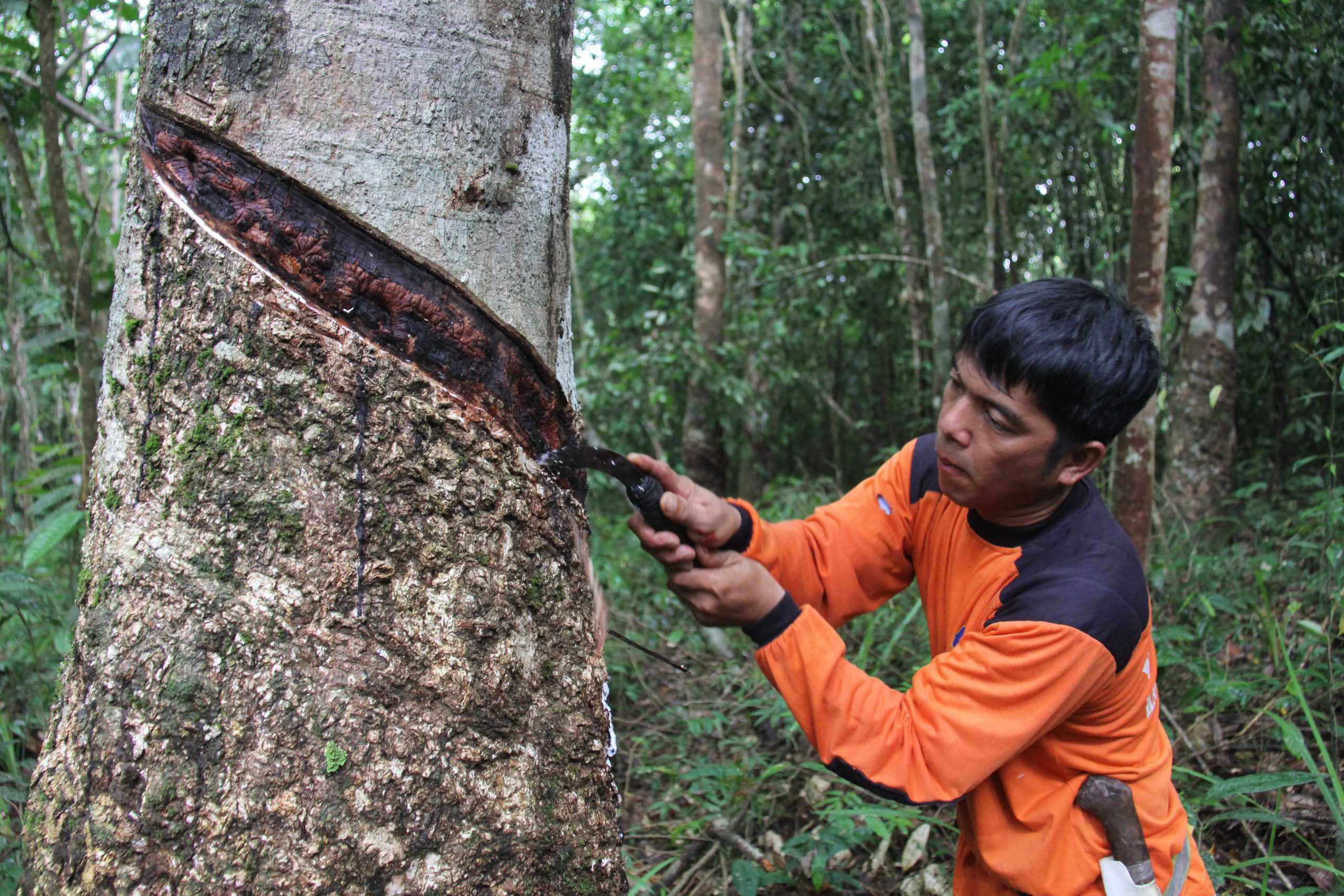
Peatland restoration in Indonesia is a multifaceted challenge that has social, economic and ecological dimensions, all of which are interconnected. It is a given that restoration projects need to consider how their activities will affect the communities that live on peatlands and that depend on them for their livelihoods. In most cases, projects offer communities alternative peat-friendly livelihoods. Taking Tumbang Nusa as an example, the externally conceived, project-based approach rarely if ever leads to successful adoption in the community. There are many factors for this low-success rate, but one of them is that the community is not involved during the planning stage and thus they do not have a sense of ownership for these initiatives. Their daily problems are different to the problems trying to be solved by restoration initiatives. Community involvement and participation is key to restoration, where program implementers are committed for the long term to build trust and understanding with the community until they have the capacity to continue restoration efforts themselves.
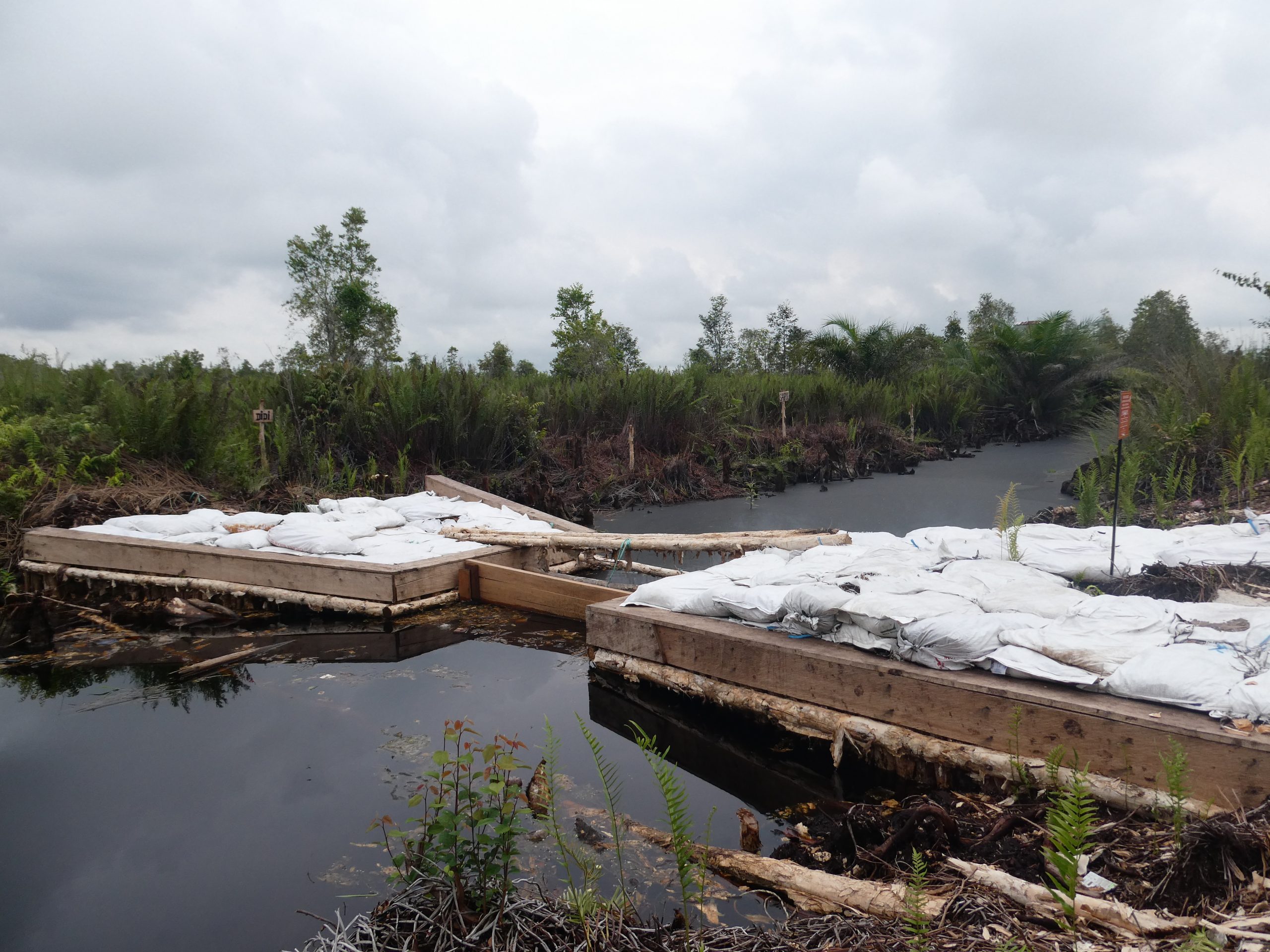
A one-size-fits-all grand design cannot be used for all localities because the social context in each community is different as well as the hydrology and ecology of the peatland where the communities reside. In order for rewetting efforts to be effective, they should be based on the peat hydrological units (PHU), many of which have different characteristics. PHU’s can only begin to be rehabilitated when all its areas are successfully rewetted. In most cases, the scope of PHU’s often overlaps into different jurisdictions and categories of land use, so there needs to be cooperation, common understanding, and a shared agenda between those stakeholders.
Analysis of Governance and Costs
There are approximately 13 million hectares of degraded peatland in Indonesia and the Peatland Restoration Agency (BRG) claimed to have restored 1.6 million hectares1. The BRG’s mission to restore their targeted areas of peatland is considered to be partially successful. Misunderstandings with the Ministry of Forestry regarding peatland within companies’ concession areas confounded their efforts2. The BRG did not have the authority to enforce the regulations on peatland restoration on the companies and they often did not comply because it would affect their business performance. Conversely, restoration projects backed by private funding such as Riau Ecosystem Restoration and Katingan Mentaya Project see the value of the ecosystem services that peat forests provide. The Gambut Kita team found that a private budgeting system offered more flexibility in the cost allocation of restoration activities compared to a top-down implemented government program. This was because restoration had been internalized into the sustainability of a business model. Through a literature review by members of the team, it was found that the estimated cost to restore one hectare of peatland in Indonesia ranged between $500 and $25003. The paper reviewed several studies that calculated the direct costs of peatland restoration, willingness to pay for restored peatland and analyzed its economic benefits. However, the authors found that none of the studies analyzed the opportunity costs of peatland restoration – so these estimates are conservative. This knowledge is important in order to make a “more comprehensive assessment, informing robust decision-making and promoting sustainable peatland management and restoration policies.” There remains many gaps in peatland restoration research in Indonesia, with a lack of comprehensive review papers and synthesized findings that provide a complete outlook.
The Need for Systemic Change
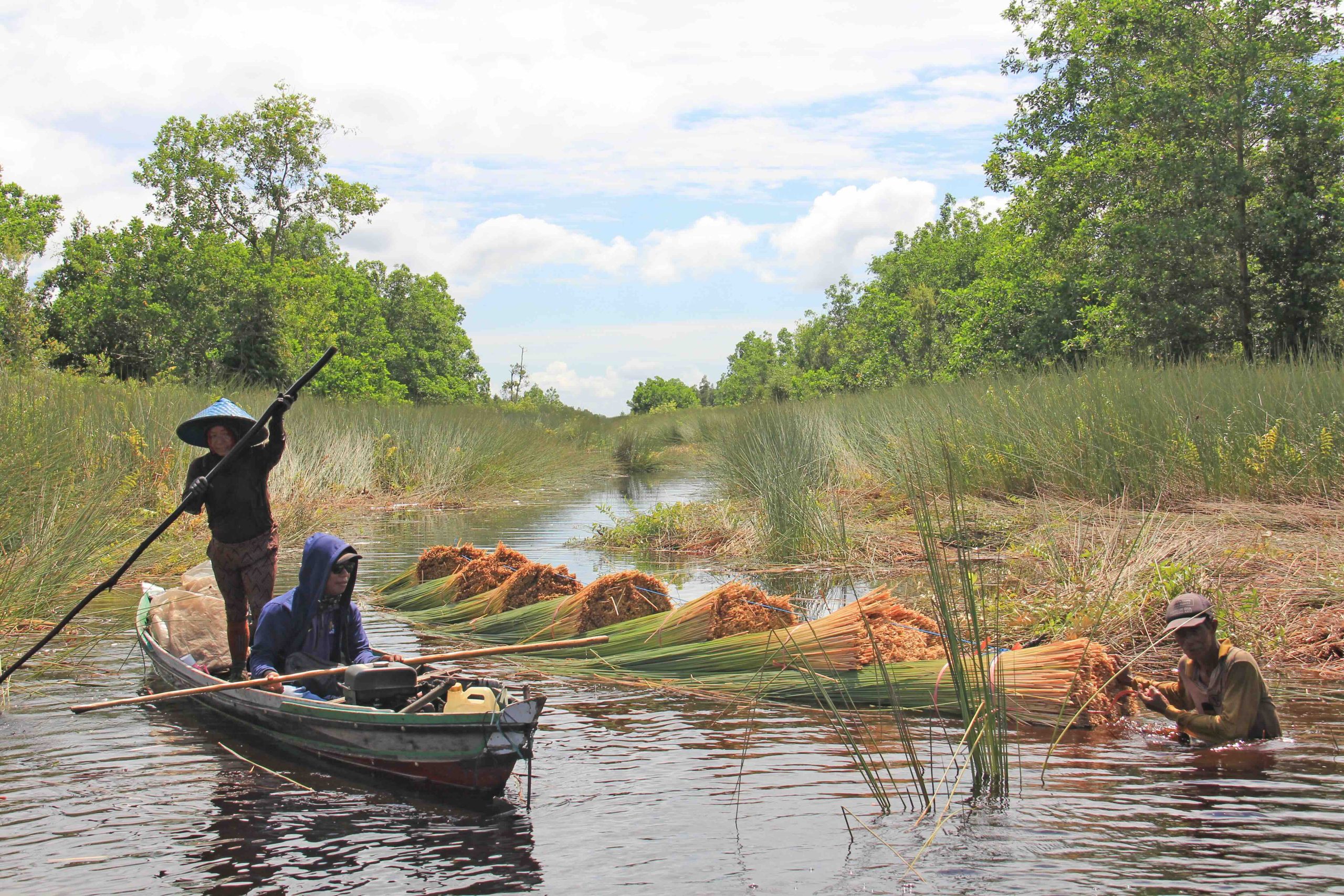
Peatland restoration has implications in many spheres of human society and the environment. We need to understand the boundaries on those relationships in order to know which ones are relevant for the roadmap. The team collected data from provincial and district government, NGOs and the private sector in Central Kalimantan and collated them into findings that can inform us of what changes are required for peatland restoration. In the theory of change work, the team has had a hard time synthesizing the findings because they don’t easily add up to a clear picture of what kinds of systemic change is necessary. The current human systems that are in place are akin to barricades of old thinking regarding restoration; we need new ways of thinking.
We conceived a roadmap to provoke new ways of thinking about how to restore peatlands. A roadmap is not a set of directions – but it lays out the various possible ways peatlands might be transformed. The pathway taken in a roadmap depends on the current conditions, and kind of outcomes prioritized, but the final destination for our roadmap is for healthy, restored peatlands. We have deliberately not defined restored peatlands because the functions and states of these peatlands change according to the range of technologies, human values, and threats and possibilities facing them. What we can do is set the compass to where the trade-offs between the environment, ecosystems and human activities are not zero-sum, but are in a restorative relationship with each other. An important step is knowing how different stakeholders value peatland and how economic and political systems can deliver benefits to people in ways that enable the conservation of peat ecosystems. The current government under Prabowo’s administration does not presently prioritize the restoration of Indonesia’s peatland. This is an opportunity for the incoming administration to take a different approach, and to enter into dialogue with researchers and communities, focusing on possibilities of social-ecological transformation for peatlands, the first leg of our journey.
References
- Liputan6 2025, 9 Tahun Mengabdi untuk Negeri: BRGM Sukses Restorasi 1,6 Juta Hektar Gambut dan 84.396 Hektar Mangrove, https://www.liputan6.com/news/read/5969592/9-tahun-mengabdi-untuk-negeri-brgm-sukses-restorasi-16-juta-hektar-gambut-dan-84396-hektar-mangrove, accessed April 15, 2025
- Wicaksono A.; Zainal 2022, ‘Peatlands Restoration Policies in Indonesia: Success or Failure?’, IOP Conf. Ser.: Earth Environ. Sci. 995 012068
Jalilov, S.M, Rochmayanto Y, Hidayat D.C., Raharjo, J.T., Mendham, D., Langston J.D. 2025, Unveiling economic dimensions of peatland restoration in Indonesia: A systematic literature review, Ecosystem Services 71 (2025) 101693