


Peatland Mapping and Fire Prevention Demand an Integrated Approach
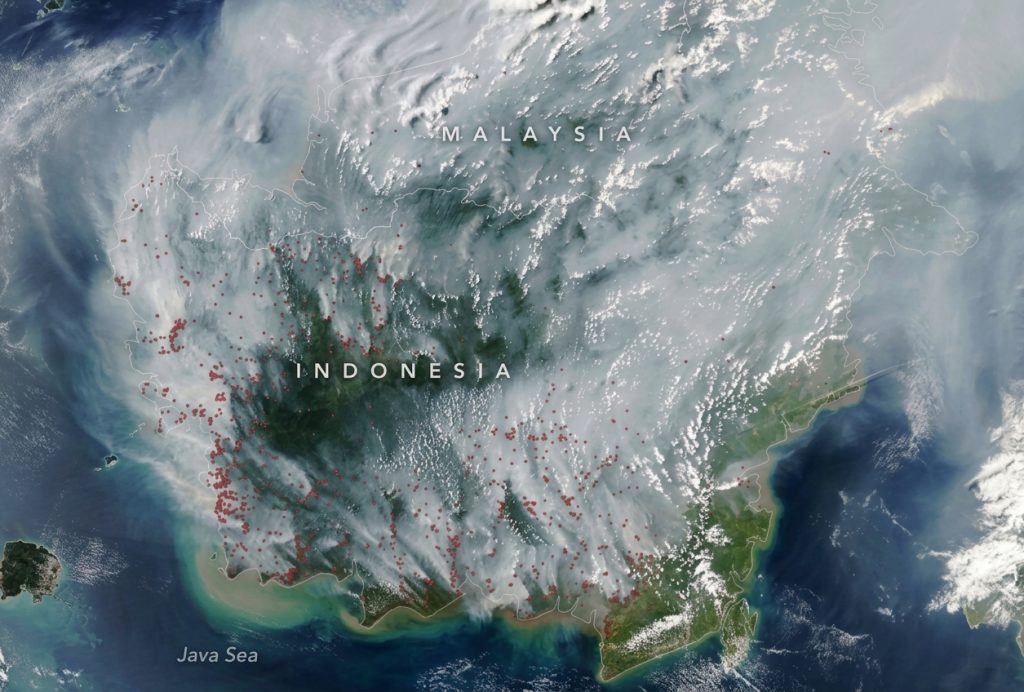
Indonesia is once again burning. Since July 2026, forest and peatland fires have swept across Kalimantan, pushing air quality in Palangka Raya to hazardous extremes and sending haze as far as the Philippines and Malaysia. The human toll is already staggering: from August to October there have been more than 283,000 recorded cases of acute […]
Peat-friendly Livelihoods
It is evident that the protection and restoration of peatlands in Indonesia cannot be done without the local community. It is unrealistic to completely close off peatland areas to human activities for two reasons: people already live there and a majority of peatland is already altered by drainage canals that stretch for thousands of kilometers, […]
Exploring a Peatland Ecosystem Up Close: Conservation Education and Ecotourism at LAHG Camp, Sebangau
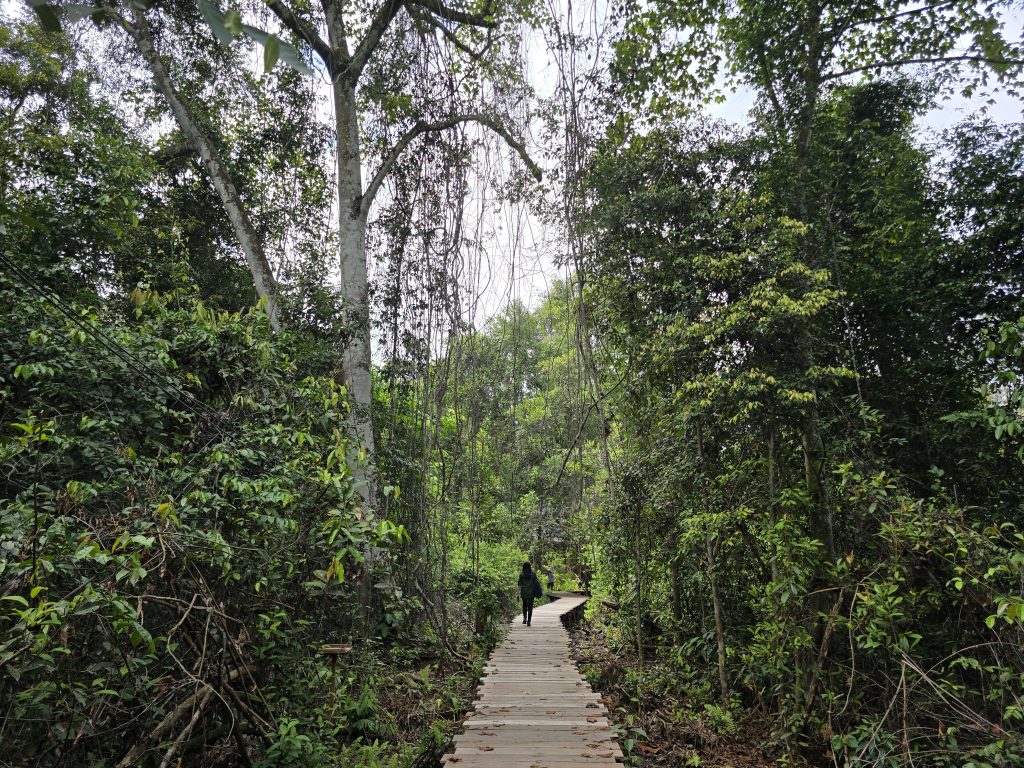
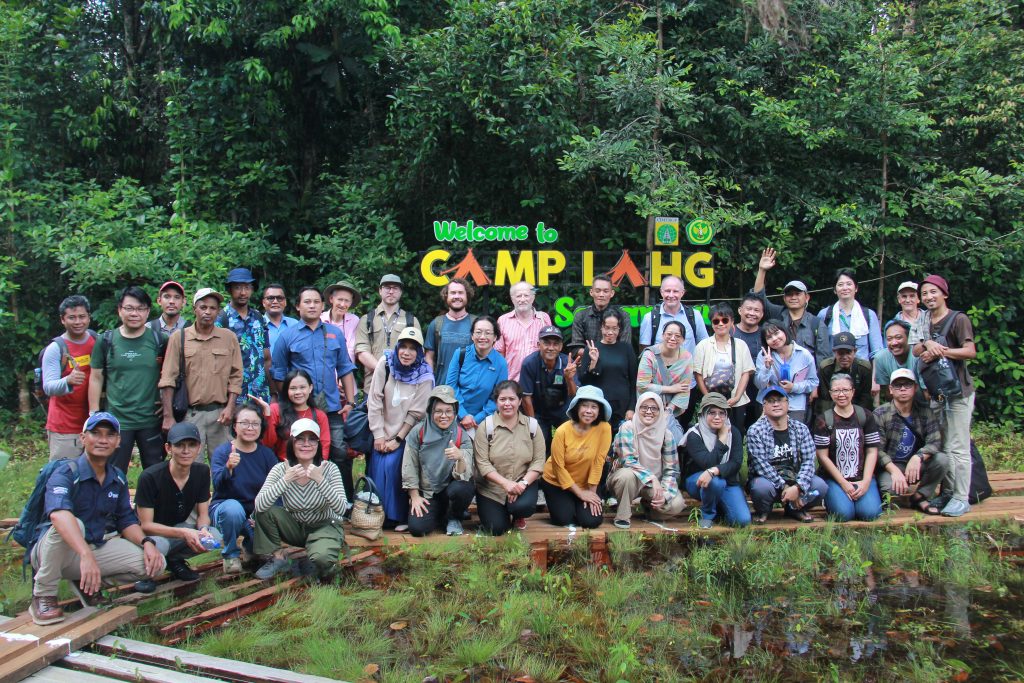
Reached by kelotok from Kereng Bangkirai Pier, the Peat Swamp Forest Field Laboratory (LAHG), managed by CIMTROP-UPR, offers visitors the opportunity to learn about and experience the peatland ecosystem of Sebangau firsthand. With new facilities now being opened for visitors, an important question arises: how can surrounding communities be involved without compromising the area’s research […]
Nyamplung: A Green Hope for Biofuel and Peatland Restoration
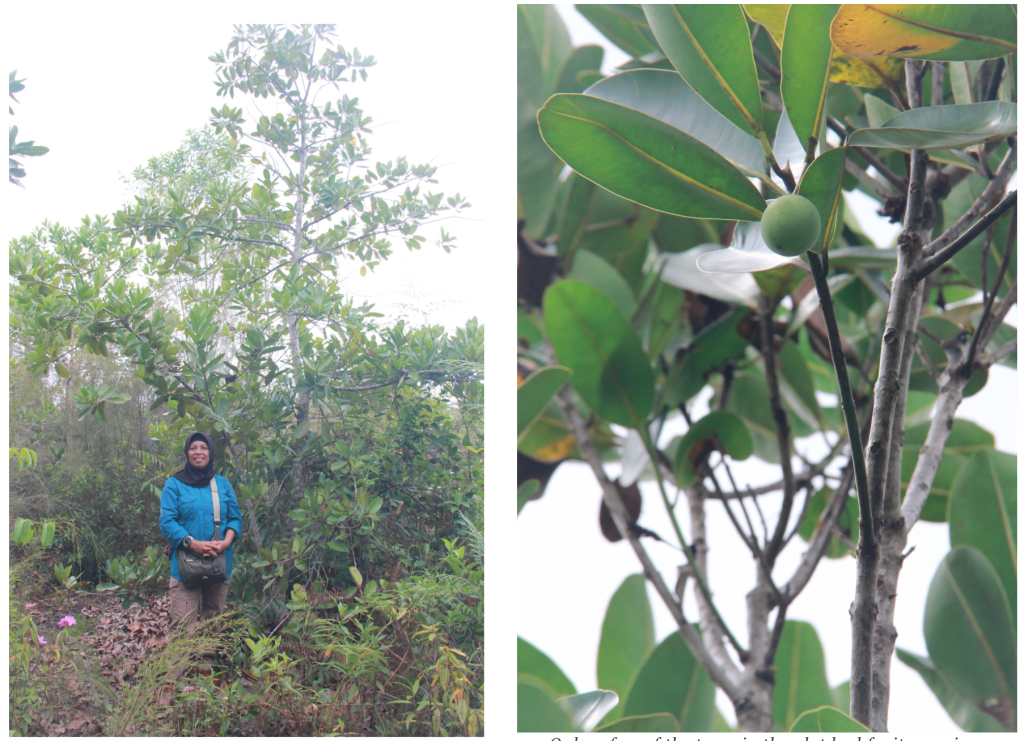
Out of the four species, nyamplung performed the best, with a survival rate of 88% and had better growth in agroforestry conditions. We spoke with Dr. Siti Maimunah, who took the lead in this experiment, and she believes that nyamplung is the most suitable biofuel plant that we know of to grow on degraded peatland. Its adaptability to waterlogged conditions makes it perfect for peatland, which needs to remain wet to be healthy. Its ecological benefits extend further: nyamplung flowers feed bees, and its fruit supports birds and small mammals.
Launching a Roadmap for Peatland Restoration in Indonesia
The Center of Peatland Science, Technology and Innovation (PPIIG) is a seven-floor building located at the edge of the campus grounds of the University of Palangka Raya. Built in 2020, it is a center of excellence, dedicated to research and development of peatlands in the natural, social and engineering sciences. On its 4th floor, there […]
Developing a Roadmap for Peatland Restoration in Indonesia
Peatland restoration has implications in many spheres of human society and the environment. We need to understand the boundaries on those relationships in order to know which ones are relevant for the roadmap. The team collected data from provincial and district government, NGOs and the private sector in Central Kalimantan and collated them into findings that can inform us of what changes are required for peatland restoration.
RMU Builds Albumin Facility in Tampelas Village, Integrating Sustainable Livelihoods and Public Utilities
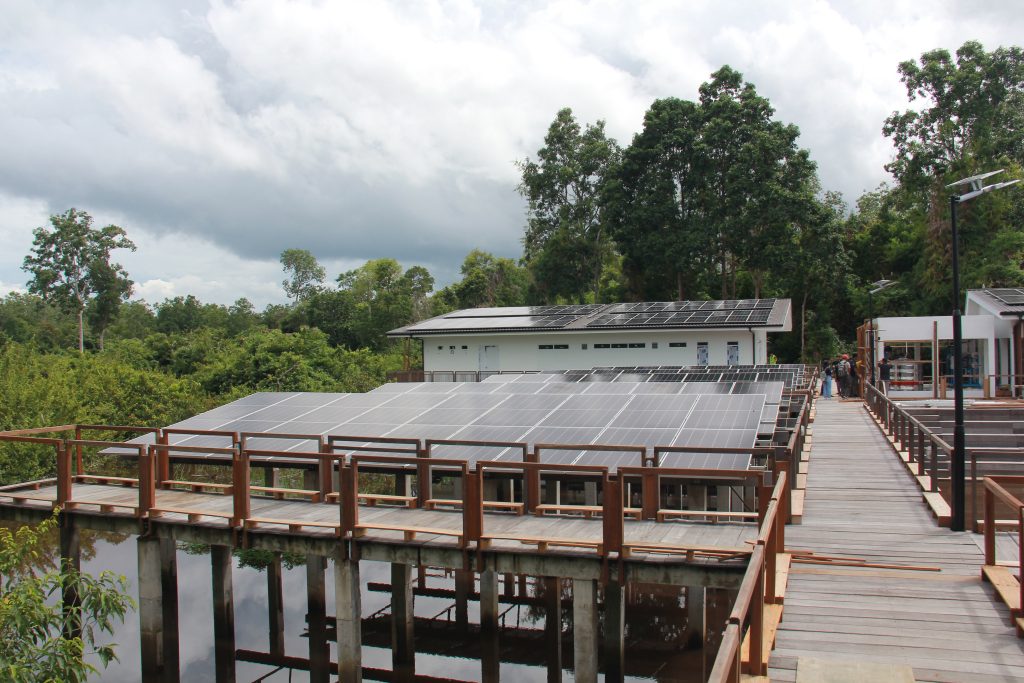
The project in Tampelas is ambitious and pioneering. Planning started in 2021, and the construction is 90% complete. We learned that they are building other facilities which both support the albumin production and address the basic needs of the community. Tampelas is not connected to the national electrical grid, so they depend on a diesel-powered generator for lighting at night. RMU partnered with PT. Arya Watala Capital to build a solar power plant that will power the albumin processing facility. The surplus electricity will be accessible to the community.
The Role of Indonesia’s Peatlands in Prabowo’s Green Economy Fund
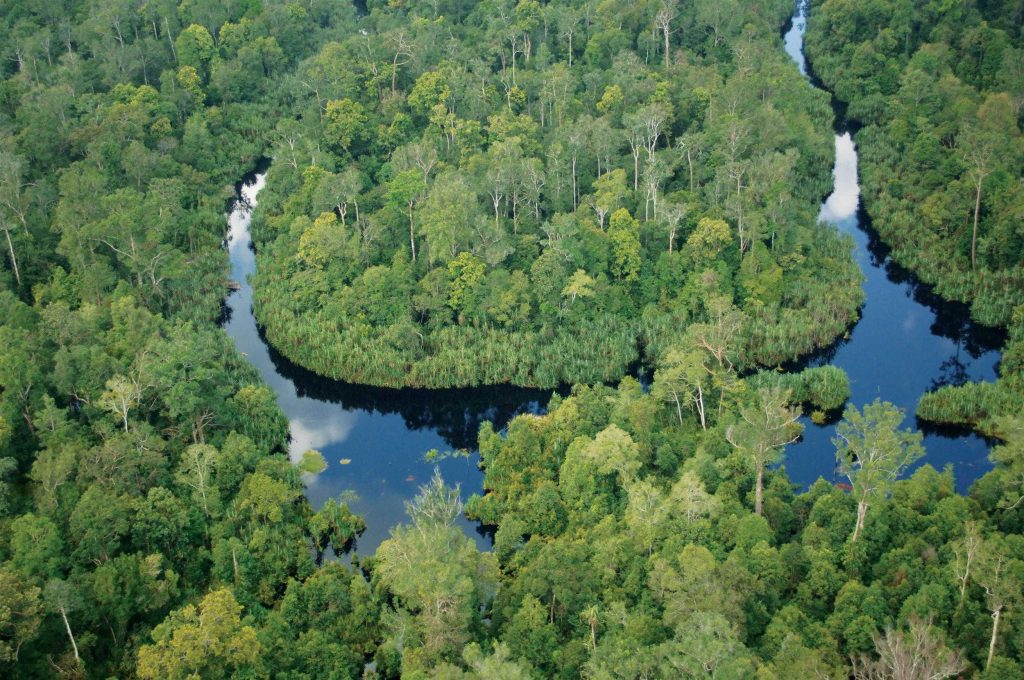
Although Indonesia’s peatlands are currently a net carbon emitter, there is great potential in generating carbon credits from reducing the rates of their emissions, through management that preserves and restores their carbon storing function. Indonesia is still determining their protocols and standards for the emerging carbon economy, and it is vital to invest in getting the system fit-for-purpose; to reward local people for land-use behaviors that support peatland, mangrove, and forest conservation.
The Potential of Sorghum as a Cereal Crop on Peatlands
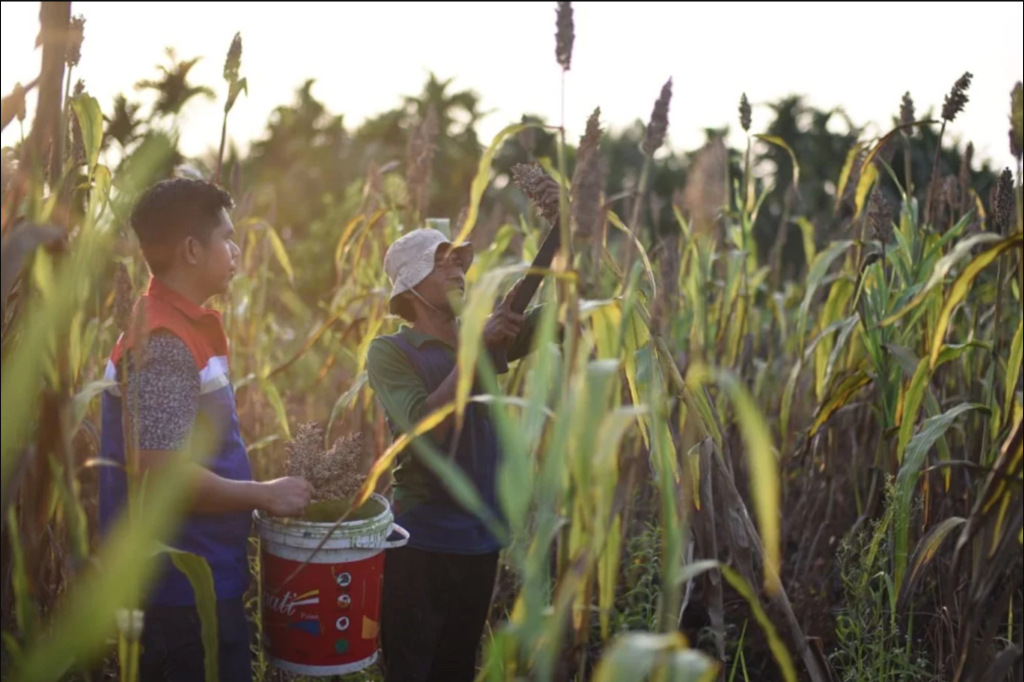
The area in the town of Dumai consists of 80% peatland7 and it has been affected by peat fires and haze. The development of PT KPI’s sorghum program began as a response to the fires. They are committed to support activities that mitigate the fires as well as helping to develop communities that live on peatland. In the program, they collaborated with the Agricultural Technology Assessment Center (BPTP) of Riau to introduce sorghum to the ‘Alam Tani’ farmer group as a possible livelihood. They first tried planting sorghum on one hectare in December 2022 and six months later had their first harvest, of which 20 kg was sold.
The Volunteer Firefighters of Tumbang Nusa
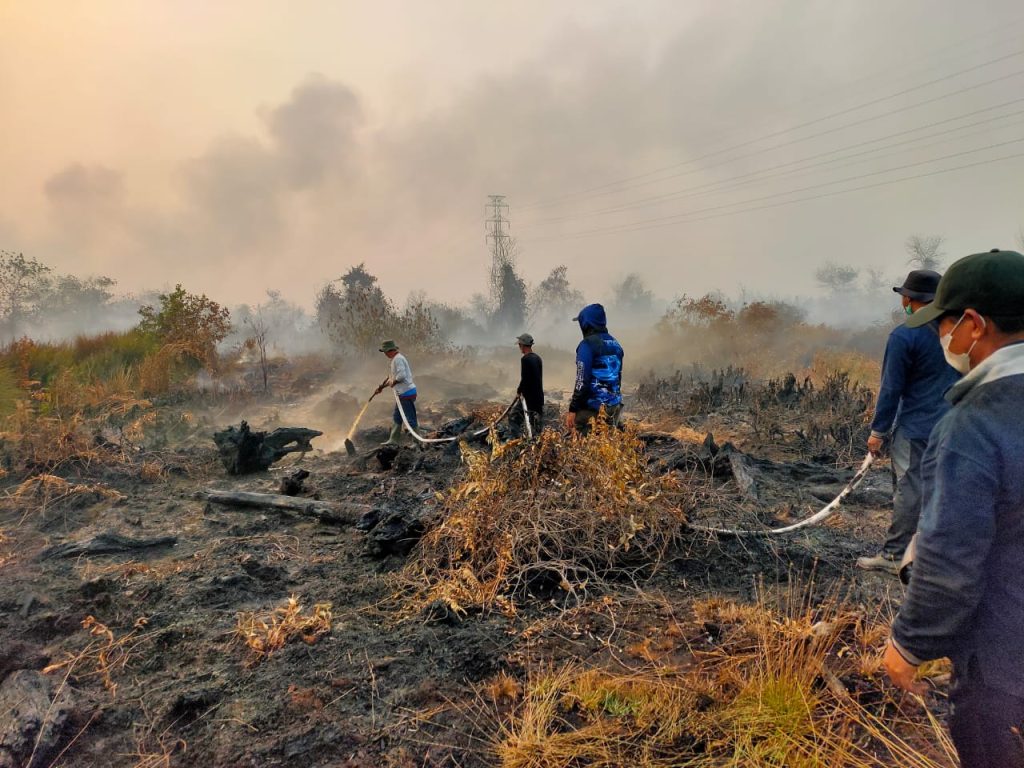
In response to the catastrophic 2015 fire and haze, the Ministry of the Environment and Forestry issued a decree for the creation of a volunteer firefighter group called “Masyarakat Peduli Api” (MPA) in each of the 300 villages in Indonesia that are at risk of fire3. Its purpose is to empower the village communities to be self-reliant in preventing and putting out fires in their respective areas. In 2021, Pak Silpanus became the head of the MPA of Tumbang Nusa. He and the 16 members of the “Perintis” MPA work three months out of the year in the dry season to prevent and extinguish fires in their area.
Riau Ecosystem Restoration Project Takes a Unique Production-Protection Approach to Peatland Restoration
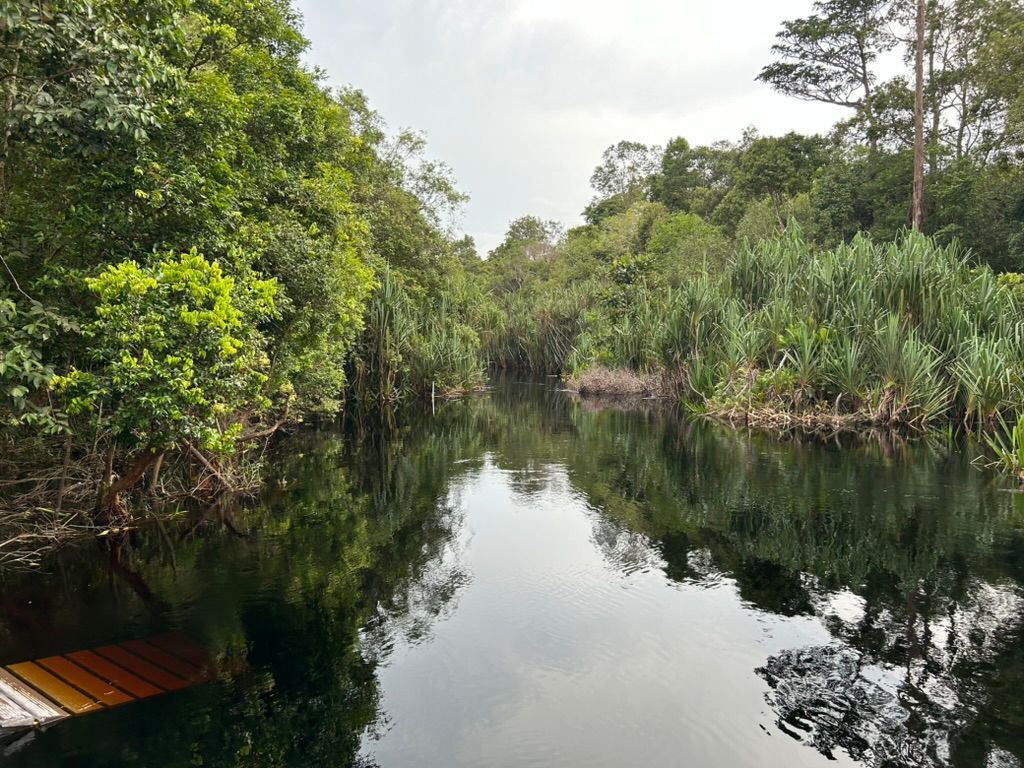
The success of RER is attributed to the fact that APRIL is in charge of the concession area and, being a multinational company, they have an abundance of resources, with a budget of USD 5 million dollars per year. They implement a unique production-protection approach, where the sustainably-managed plantations that lie in the perimeter of the RER financially support the restoration project.
A Farmer for the Future
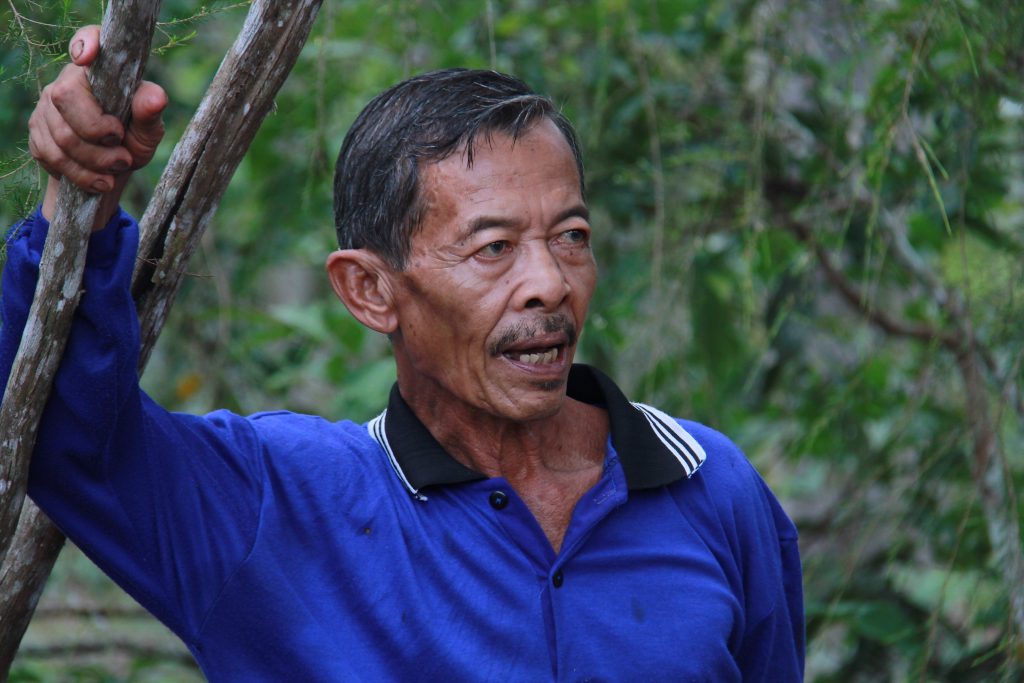
Pak Taman taught himself how to farm on peatland without burning. There isn’t a specific course on it that just anyone can learn. It took dedication and genuine care about the environment and future generations. He taught his farming neighbors about his method, but they did not apply it and continued to use fire to clear their land. Pak Taman mentioned several times to us that the ground on the farmland of his neighbors was lower than his, even up to half a meter.
Too Many Livelihood Programs in Tumbang Nusa
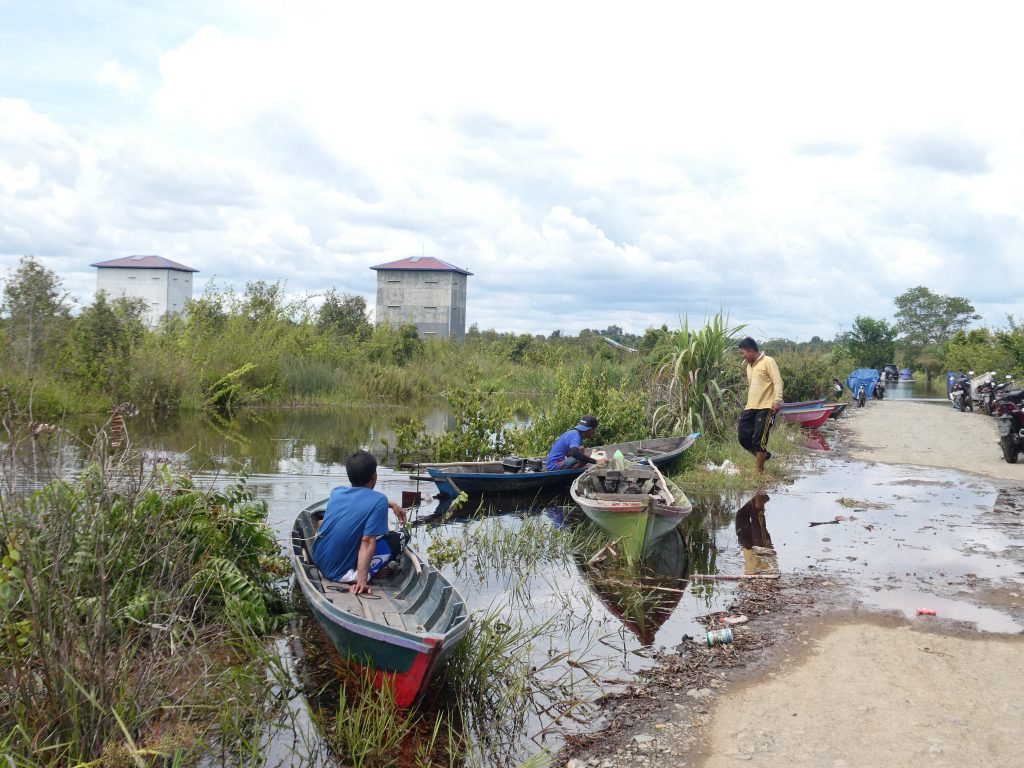
Since 2003, a range of actors have initiated a total of 15 livelihood programs in Tumbang Nusa, and an additional 18 plots have been established to demonstrate peat-friendly livelihood options. Most of these initiatives did not result in substantial practice change on the ground, with only three of the programs considered to be effective. An effective program is one whereby at least some of the elements had been adopted by community members who were not directly involved in the demonstration plots.
IBILAGA: Developing the Fishery Industry in Central Kalimantan
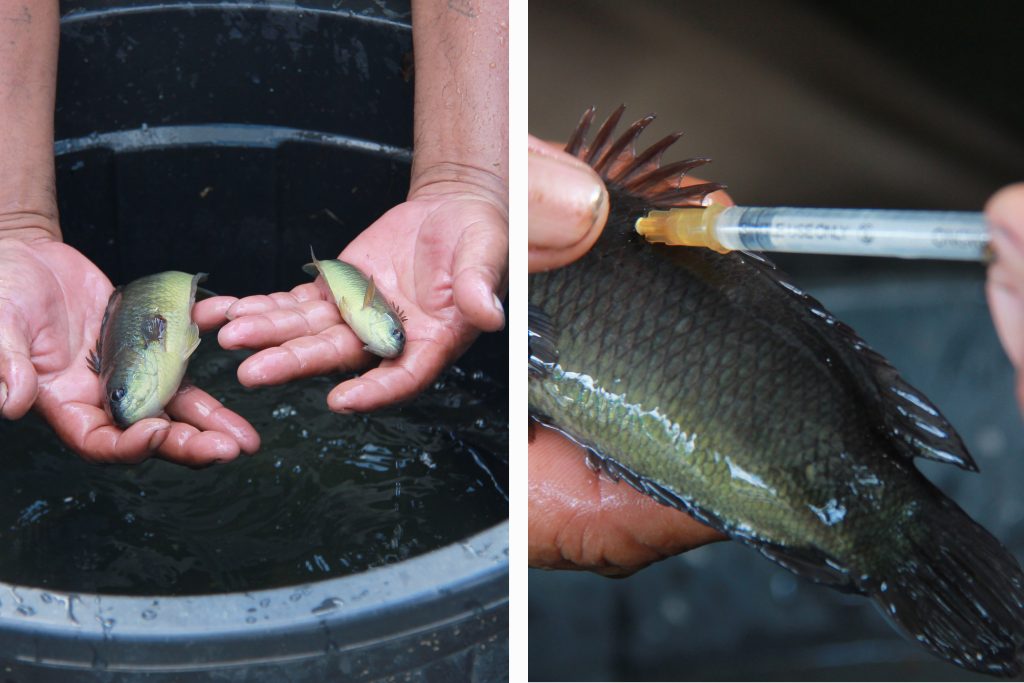
The main focus of this project is to develop the freshwater fish industry in Central Kalimantan. Pak Juliansyah thinks that the industry is lacking, if compared to that of South Kalimantan. He explains that “The people don’t want to raise gabus or papuyu because it takes a long time. So, one of our objectives is to shorten its growing time”, which they did for patin, from seven-eight months to four months. They do this by experimenting with three factors: the feed, the genetic stock and the environment.
Sago Palm: A highly productive crop that thrives on peatland

True sago palm (Metroxylon sago) has a great potential to be a sustainable source of livelihood for communities that live around peatland. The plant is native to the eastern parts of Indonesia, specifically Maluku and Papua, where it is eaten as a staple food1. The palm encompasses 5.5 million ha in Indonesia and 95% of it is in Papua2. Sago palm is very resilient, able to grow in neutral to highly acidic soils, organic and mineral soils and even tolerates highly sulfuric soils.
Saving Peatlands with Eco-straws
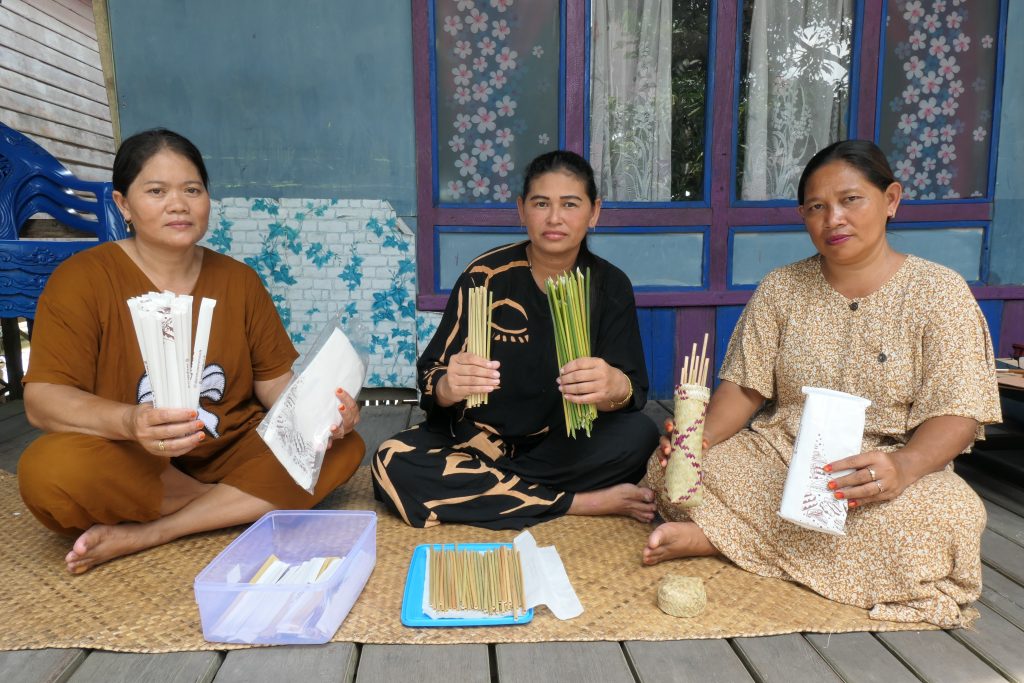
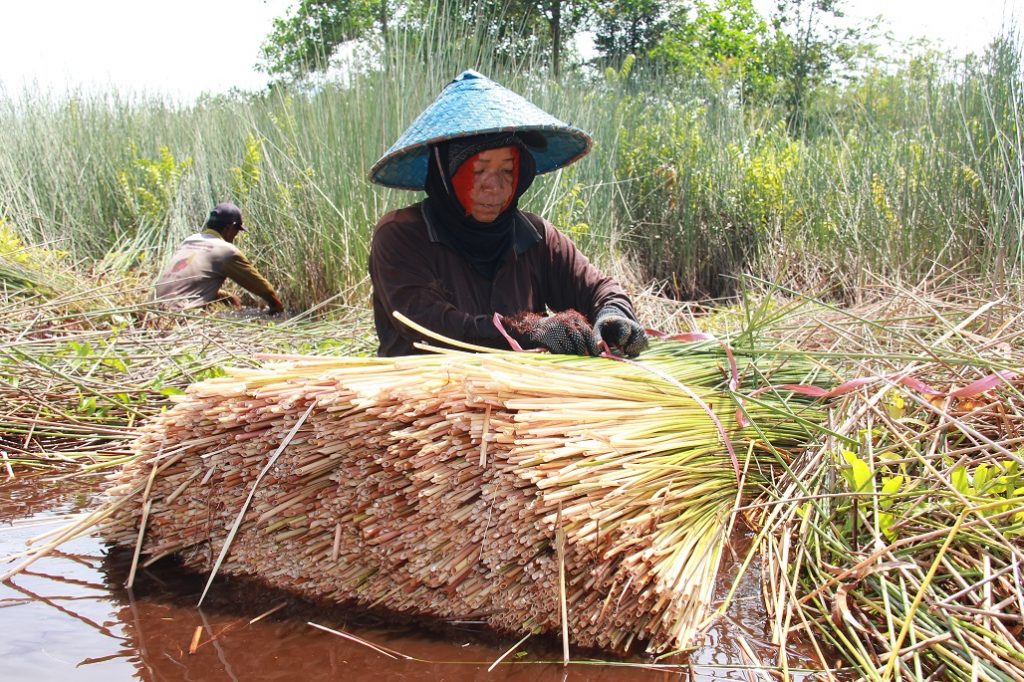
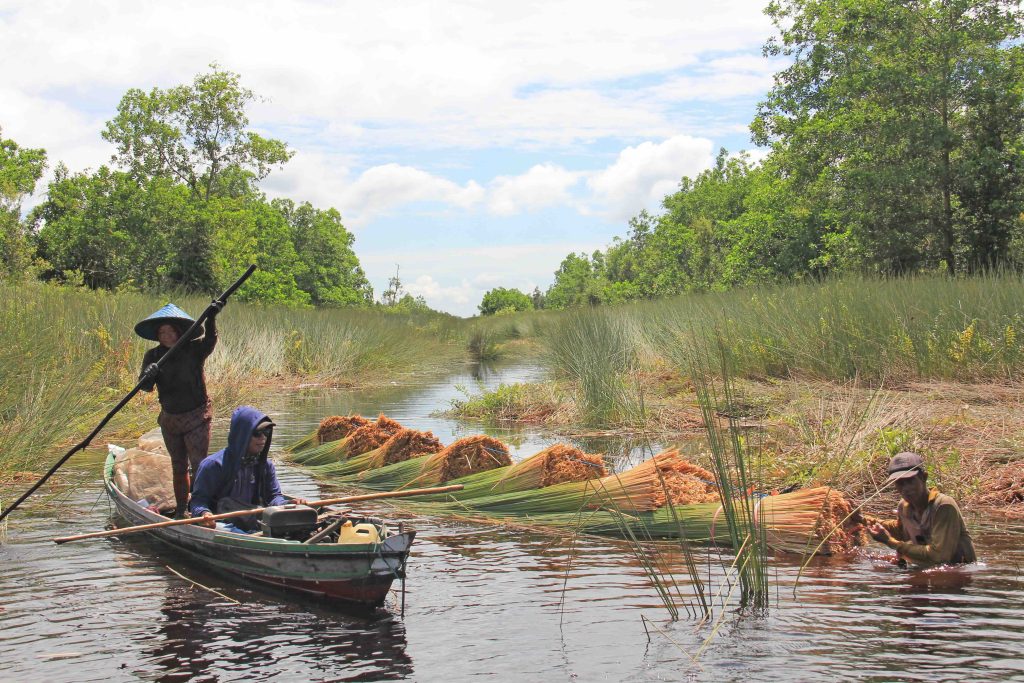
Purun (Lepironia articulata) is a type of sedge that grows in peatland. This plant is used in woven handicrafts such as mats, bags and hats that are characteristic of Central and South Kalimantan. Tumbang Nusa village in Pulang Pisau Regency is known for its purun handicraft, such as the ones made by Indu Muei (article). More recently, another product made from purun was conceived: straws.
Adopting Better Practices of Rubber Tapping

Yayasan Tambuhak Sinta held two training sessions for the smallholder rubber farmers in Pilang. One was about how to deal with pests and disease that attack the trees and the other focused on how to improve the quality of the latex that they produced. PT Kahayan Berseri, the company that buys rubber from the farmers, was involved in the training. This is the first time that the farmers received any formal training for rubber farming. They learned of a better method that would improve the quality of the latex product.
In Search of Peat-Friendly Land Use

Many different types of smallholders exist in Indonesia, and different groups have different preferences as to how to make a living. In South Sumatra, GK finds that smallholders remain strongly attracted to oil palm, despite the negative implications for peatland preservation due to the requirements for drainage. In Kalimantan, GK finds that the native Dayak communities prefer to pursue a diversified range of livelihood strategies, generally based around small scale rice production, hunting, fishing, forest harvesting, and rubber production.
The Practice of Peatland Rehabilitation

For each of the forest rehabilitation projects they deliver, AAP is responsible not only for the initial site survey, nursery work and out-planting, but also for ongoing site maintenance for three years, during which time AAP is obliged to ensure the survival of the seedlings. “All of our seedlings must survive in accordance with the work contract. We are obliged to replace any that die with new ones,” said Faishol. For this reason, AAP monitors all of the work that is performed in the field, including the level of community participation.
Rewetting and Restoring the Sebangau National Park

Pak Idrus also spoke about the positive change he has witnessed, having seen a definite shift in the use of the area, from illegal logging, to conservation and research. Licensed for commercial logging during the 1970’s, 80’s and 90’s, the peat swamp forest was then further degraded by illegal logging and the incursion of drainage canals for the transport of raw logs. But in recent years, more attention has been paid to protecting the national park by blocking canals and restoring the natural hydrology upon which the ecosystem depends.
Pineapples on Peatlands

According to Pak Tono, pineapples can grow on peat without fertiliser. “Just leave it alone and it will grow. After 8 months, the plant will grow and start to bear fruit.” Pineapple farmers in Danau Jutuh no longer burn their land. “All we need to do is dry the land and clear it of grass, and then we can plant pineapples. So there is no need to burn the land,” said Tono. Thus, in addition to providing significant economic benefits to farmers, pineapple agroforestry can also provide environmental benefits by helping to reduce the risk of forest fires.
Fish Farming Opportunities in Peatlands

The Sei Katune demonstration facility in Banturung Village is one of three hatcheries managed by the Palangka Raya City Government’s Fisheries Service (UPTD) for Freshwater Fish Cultivation. According to Heriyanto, the head of the freshwater aquaculture unit, the facility is suitable for raising these species because it is located near the peatlands of the Sebangau National Park. “We can use the slightly acidic blackwater from the river to fill the breeding ponds for these fish,” explained Heriyanto.
Traditional Rattan Gardens of Kalimantan

Although the plant does grow wild in the forest, most residents of Pilang Village also cultivate good varieties in their traditional rattan gardens. Mury says she just takes the wild rattan seeds and plants them in her rubber plot: “Just spread them around in the plot, you don’t need fertilizer, the rattan will still grow.” To ensure the quality of the cane, Mury only cuts the older, ripe rattan climbers. According to her, it takes about six or seven years for a rattan vine to grow long and thick enough to be harvested.
Safe Harvests for Honey Hunters

To reduce the deadly risk of falling while harvesting honey, our livelihoods researchers decided to introduce a safer method. Using the Indigenous Technical Knowledge (ITK) approach, the Yayasan Tambuhak Sinta (YTS) foundation invited a honey hunter from West Kalimantan to discuss the use of the ‘Tikung’ method with the Pilang community. And after learning about the various steps involved, Madi’s group agreed to try it.
Fewer Fires in Managed Landscapes

Following the severe fire events of 2015, Indonesia introduced new fire prevention measures to reduce crop destruction, haze, forest degradation, and carbon emissions.
The fire prevention efforts, which include strict enforcement of the presidential ban on burning, have resulted in significant fire reductions. Between 2016 and 2019, fires were reduced by 77% compared to previous expectations for similar weather conditions.
Tropical Peat Soils Under Different Land Uses

Rapid human population growth in Southeast Asia has led to increasing drainage of natural peatland ecosystems for conversion to agricultural use. Peatland drainage lowers the water table, thereby increasing the thickness of the peat layer that is exposed to oxidation. Drying leads to shrinkage of organic materials, resulting in compression of peat layers. The combination of oxidation, shrinkage and compaction causes subsidence of the soil surface.
Shorea Shows Promise for Smallholder Timber

Based on his experience, Stomo considers Belangeran (Shorea balangeran) to be one of the best tree species to plant on peatlands. Most of his other tree seedlings had died due to flooding. “I consider Belangeran to be very suitable for peatlands. My plot has been flooded several times, but these have been able to survive and grow well”. He showed us a row of trees two meters tall. “The Belangeran was planted last year. As you can see, the trees are doing well,” said Stomo.
Adaptation Strategies of Transmigrant Farmers

Pak Ramin is a successful farmer who grows a variety of vegetable crops on his 1.5 hectare farm. Having relocated from Java to Kalimantan, he says that he now leads a more prosperous life than he did in his hometown. But, he had to struggle for decades just to get to this point.
Economic Livelihoods in Pilang Village

Although rubber has occupied most of the community’s working hours (60%) over the last two decades, rattan collecting (5%) and cutting timber (5%) have also been minor but significant village occupations. And, during this period, the community has completely moved out of wet rice agriculture (formerly 15%) and into sand mining (10%) and fisheries (15%) as well as raising seedlings in nurseries (5%).
The Resilience of Rubber

Pak Uduh says that rubber is the primary source of income for the villagers living in Pilang simply because it has been around for a long time and has served as a stable source of income for the village over many generations. He says that one of his reasons for sticking to rubber is that it is quite easy to plant rubber trees, and that the plots do not need much care – other than cutting the grass around the rubber trees.
Pak Margo: The Man Who Grew Jelutung

Having always wanted to grow a mini jelutung (Dyera costulata) plantation in his backyard, Pak Margo says it took him 18 years of trial and error, and a substantial part of his personal finances to learn how to do it properly. But now, at the age of 65, he has finally realized his dream.
Swift-Houses Bring Swift Incomes to Smallholders in Borneo Peatlands

Gambut Kita researchers find that most swift-houses can achieve routine production within the first two years, with nest production averaging 0.1 – 0.5 kg per month per swift-house; making it an attractive proposition for farmers who are prepared to take the gamble. But regular problems to anticipate include pests such as geckos and ants, as well as lightning strikes and thieves.
Stingless Bees Thrive in Peatlands

The journey towards becoming an entrepreneur in Kalimantan has been a bitter-sweet one for Yoanes Budiyana (43), an immigrant from Central Java. When Budi first came to Kalimantan he worked as a truck driver for a construction company. In his new environment, Budi struggled to earn enough income to stay afloat. He spent most of his time in his truck, driving long distances on difficult roads to deliver goods to far corners of the province. On one trip, he realized he had never seen a honey vendor by the side of the road, as was commonplace in Java.
What’s Behind a Bowl of Pakis?

Pakis, an edible fern that grows in peatlands and along riverbanks, is a daily source of nutritious meals in Central Kalimantan. In Tumbang Nusa village, people will travel downriver for about an hour just to collect the ferns – and to later serve a bowl of pakis in their kitchen.
Traditional Fishing Along the Kahayan River

Fishing is an activity that runs in the blood of people living along the Kahayan River in Central Kalimantan, and this is especially so in the peatlands to the south of Palangkaraya, the capital city of the province. Most of the people who live in the villages along these river banks usually fish to meet their daily needs, and many of them still catch fish using traditional fish traps.
Meet Indu Muei: a 67-year old purun farmer from Tumbang Nusa

Indu Muei has been weaving Purun products consistently for the last 50 years in order to support herself and her family. She told us that the future development of these village-based handicrafts will all depend on the support activities carried out by the private sector and the government. Such activities can dramatically increase the demand for Purun products. But unfortunately, during the current pandemic, the restrictions on community activities have had a very serious impact on the harvesters and the artisans in the village. Currently, she is only able to sell about five Purun products per month.
Development of a Peat Fire Danger System for Indonesia

Fire Danger Rating Systems (FDRS) are used around the world to help predict and prevent wildfires. Forest and land fires are a severe problem in Indonesia, with smoke and haze production exacerbated by the country’s extensive tropical peatlands, many of which are drained and burn almost annually (Graham, 2021). Thus, major fire events are a recurrent problem for Indonesia, especially in peatlands when the peat itself ignites.
The ‘Gambut Kita’ project website is now active.

Please visit www.gambutkita.org