


Peatland Mapping and Fire Prevention Demand an Integrated Approach
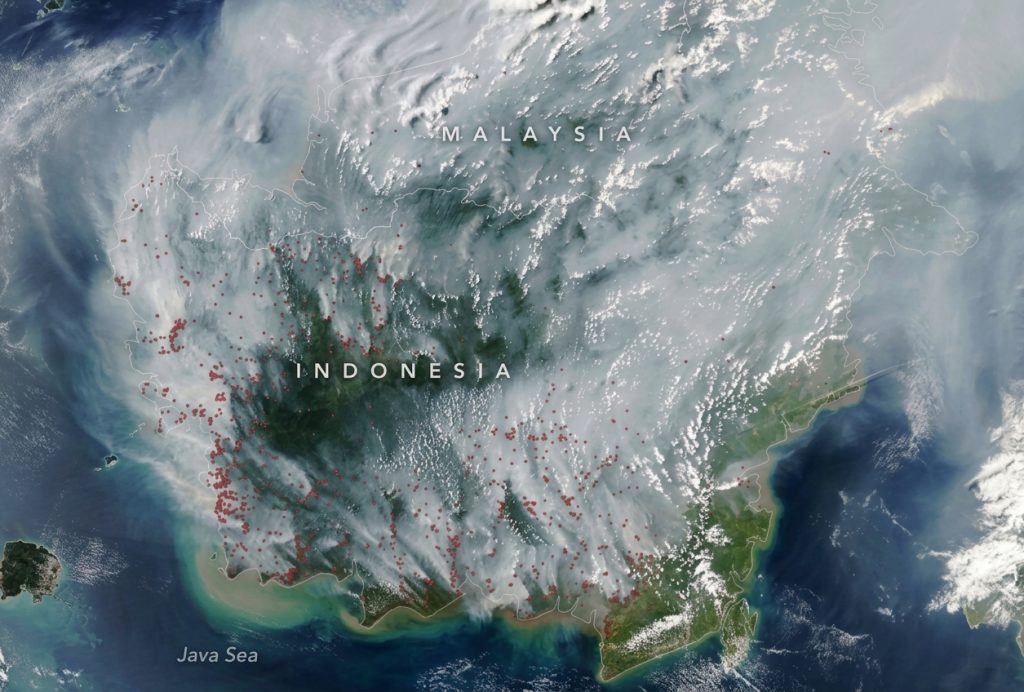
Indonesia is once again burning. Since July 2026, forest and peatland fires have swept across Kalimantan, pushing air quality in Palangka Raya to hazardous extremes and sending haze as far as the Philippines and Malaysia. The human toll is already staggering: from August to October there have been more than 283,000 recorded cases of acute […]
Peat-friendly Livelihoods
It is evident that the protection and restoration of peatlands in Indonesia cannot be done without the local community. It is unrealistic to completely close off peatland areas to human activities for two reasons: people already live there and a majority of peatland is already altered by drainage canals that stretch for thousands of kilometers, […]
Exploring a Peatland Ecosystem Up Close: Conservation Education and Ecotourism at LAHG Camp, Sebangau
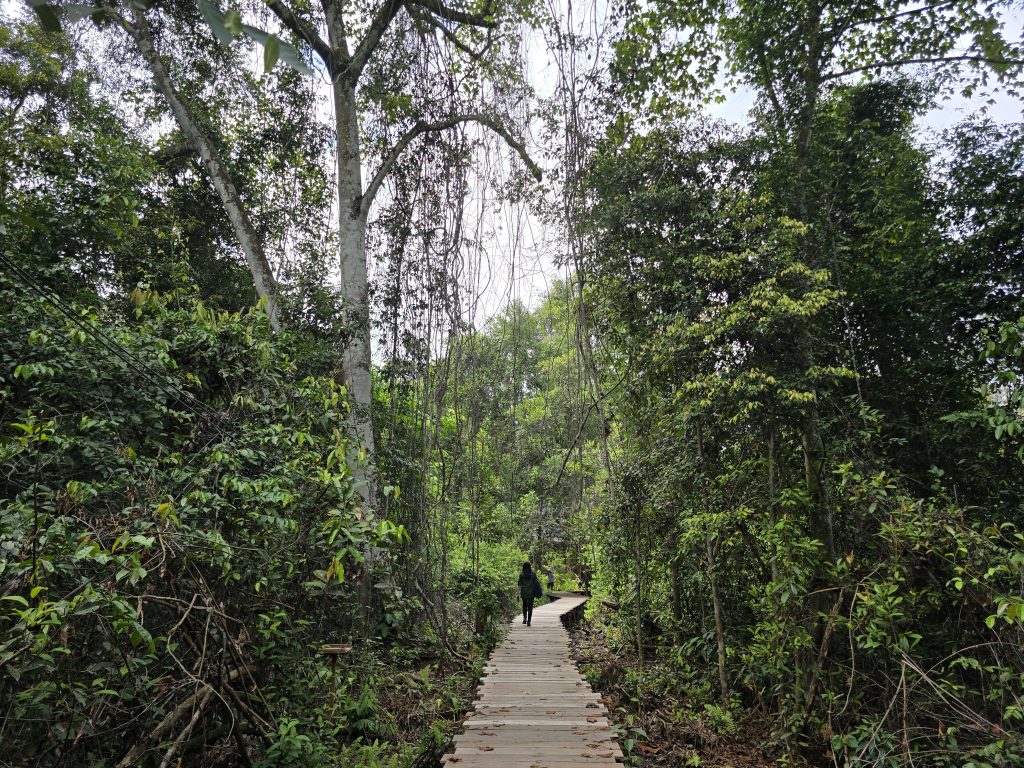
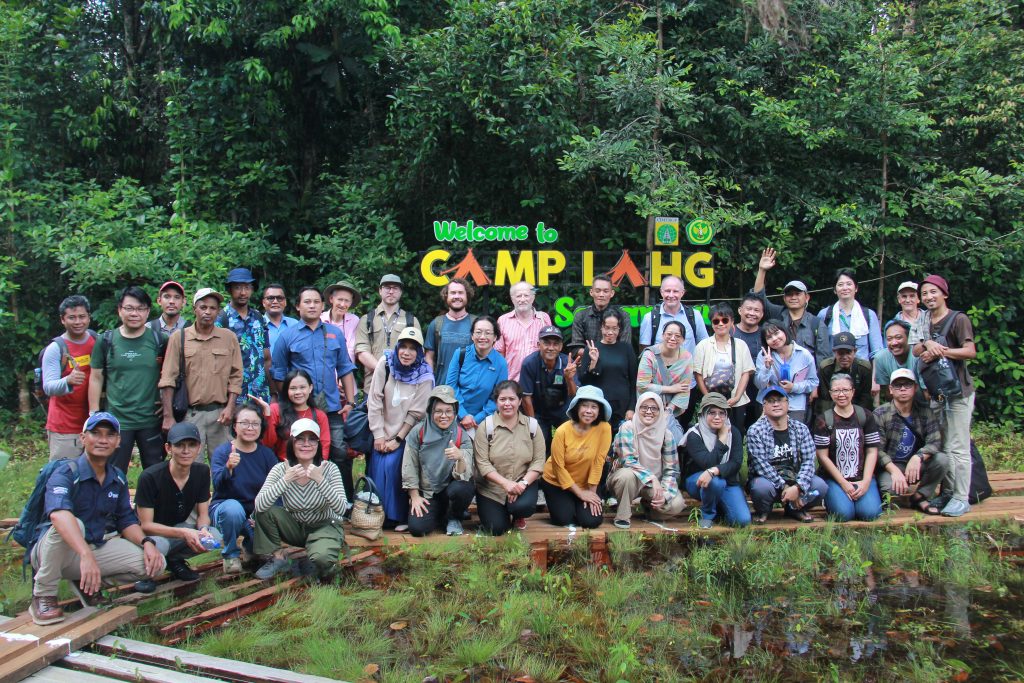
Reached by kelotok from Kereng Bangkirai Pier, the Peat Swamp Forest Field Laboratory (LAHG), managed by CIMTROP-UPR, offers visitors the opportunity to learn about and experience the peatland ecosystem of Sebangau firsthand. With new facilities now being opened for visitors, an important question arises: how can surrounding communities be involved without compromising the area’s research […]
Nyamplung: A Green Hope for Biofuel and Peatland Restoration
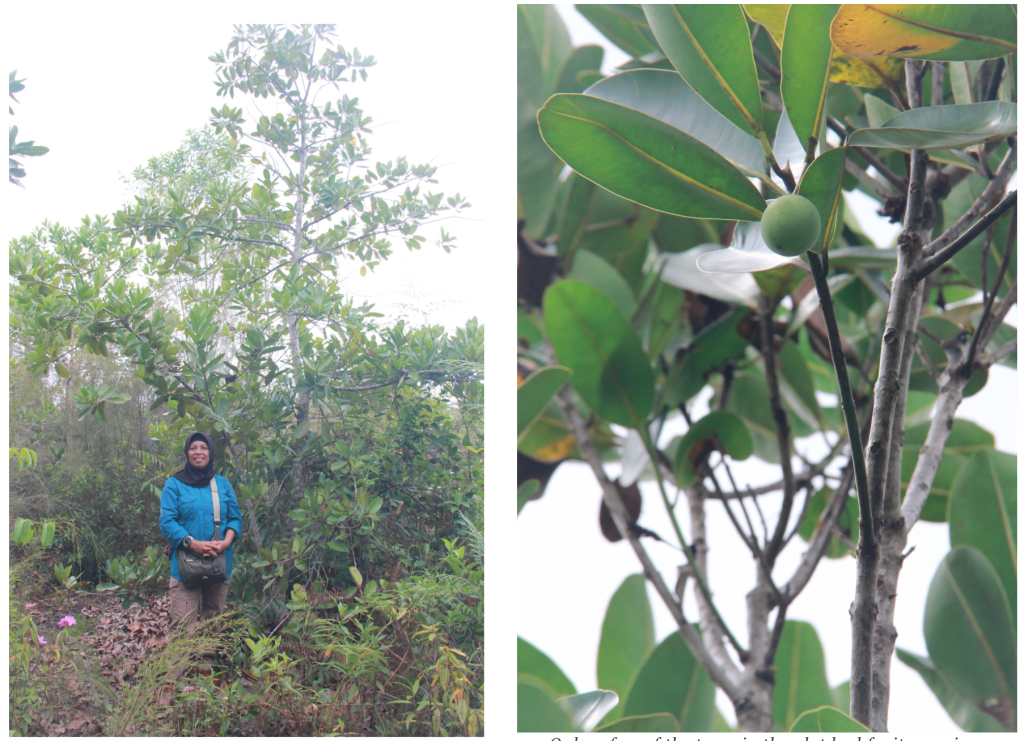
Out of the four species, nyamplung performed the best, with a survival rate of 88% and had better growth in agroforestry conditions. We spoke with Dr. Siti Maimunah, who took the lead in this experiment, and she believes that nyamplung is the most suitable biofuel plant that we know of to grow on degraded peatland. Its adaptability to waterlogged conditions makes it perfect for peatland, which needs to remain wet to be healthy. Its ecological benefits extend further: nyamplung flowers feed bees, and its fruit supports birds and small mammals.
Launching a Roadmap for Peatland Restoration in Indonesia
The Center of Peatland Science, Technology and Innovation (PPIIG) is a seven-floor building located at the edge of the campus grounds of the University of Palangka Raya. Built in 2020, it is a center of excellence, dedicated to research and development of peatlands in the natural, social and engineering sciences. On its 4th floor, there […]
Developing a Roadmap for Peatland Restoration in Indonesia
Peatland restoration has implications in many spheres of human society and the environment. We need to understand the boundaries on those relationships in order to know which ones are relevant for the roadmap. The team collected data from provincial and district government, NGOs and the private sector in Central Kalimantan and collated them into findings that can inform us of what changes are required for peatland restoration.
RMU Builds Albumin Facility in Tampelas Village, Integrating Sustainable Livelihoods and Public Utilities
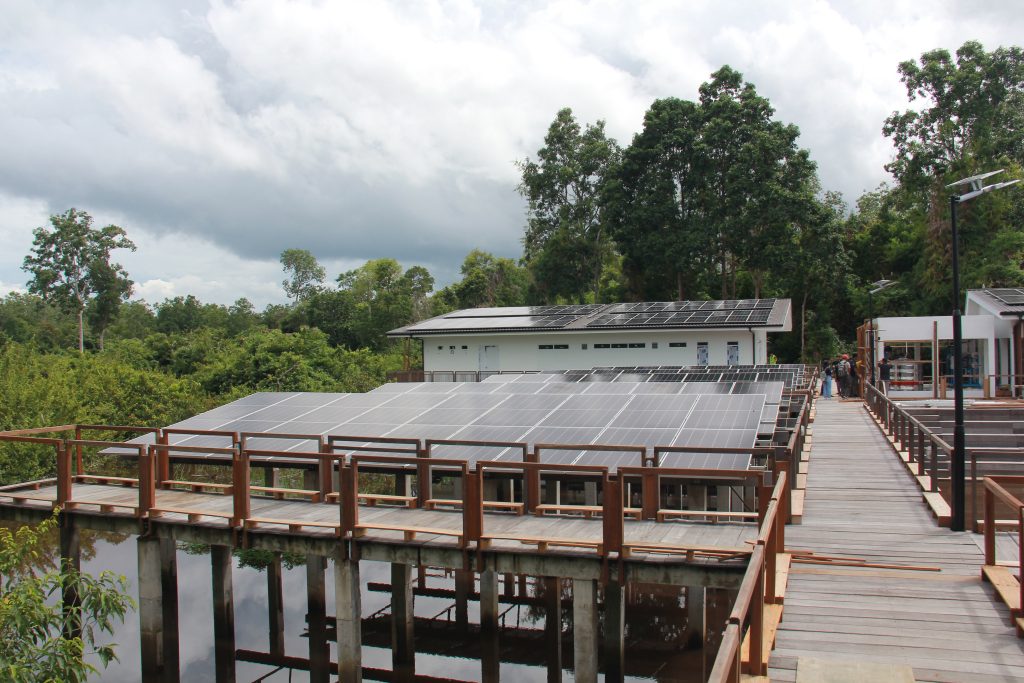
The project in Tampelas is ambitious and pioneering. Planning started in 2021, and the construction is 90% complete. We learned that they are building other facilities which both support the albumin production and address the basic needs of the community. Tampelas is not connected to the national electrical grid, so they depend on a diesel-powered generator for lighting at night. RMU partnered with PT. Arya Watala Capital to build a solar power plant that will power the albumin processing facility. The surplus electricity will be accessible to the community.
The Role of Indonesia’s Peatlands in Prabowo’s Green Economy Fund
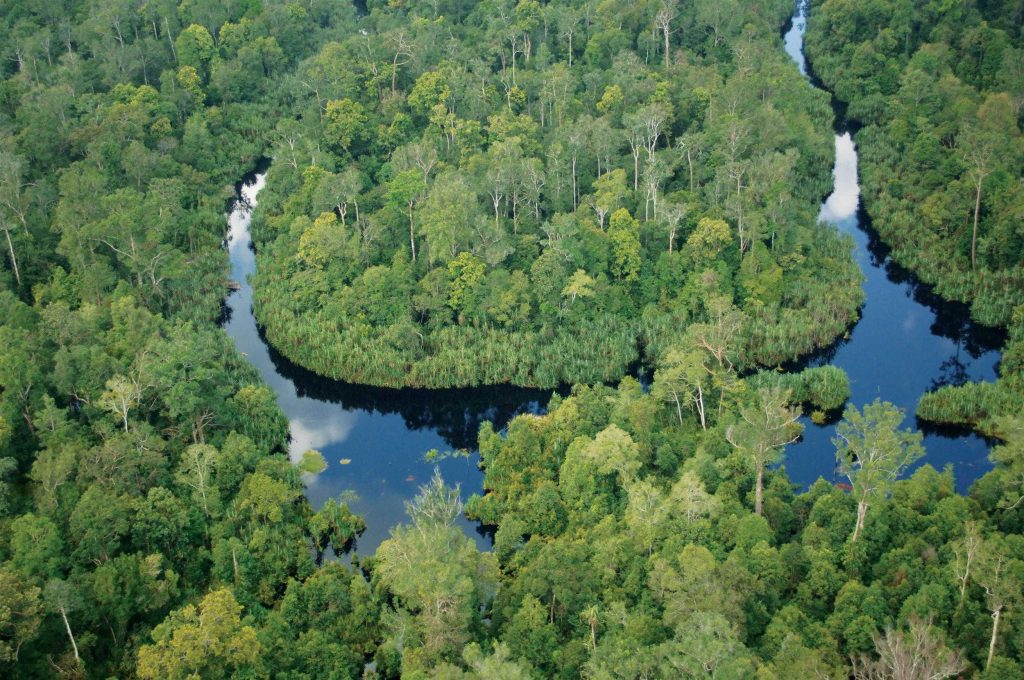
Although Indonesia’s peatlands are currently a net carbon emitter, there is great potential in generating carbon credits from reducing the rates of their emissions, through management that preserves and restores their carbon storing function. Indonesia is still determining their protocols and standards for the emerging carbon economy, and it is vital to invest in getting the system fit-for-purpose; to reward local people for land-use behaviors that support peatland, mangrove, and forest conservation.
The Potential of Sorghum as a Cereal Crop on Peatlands
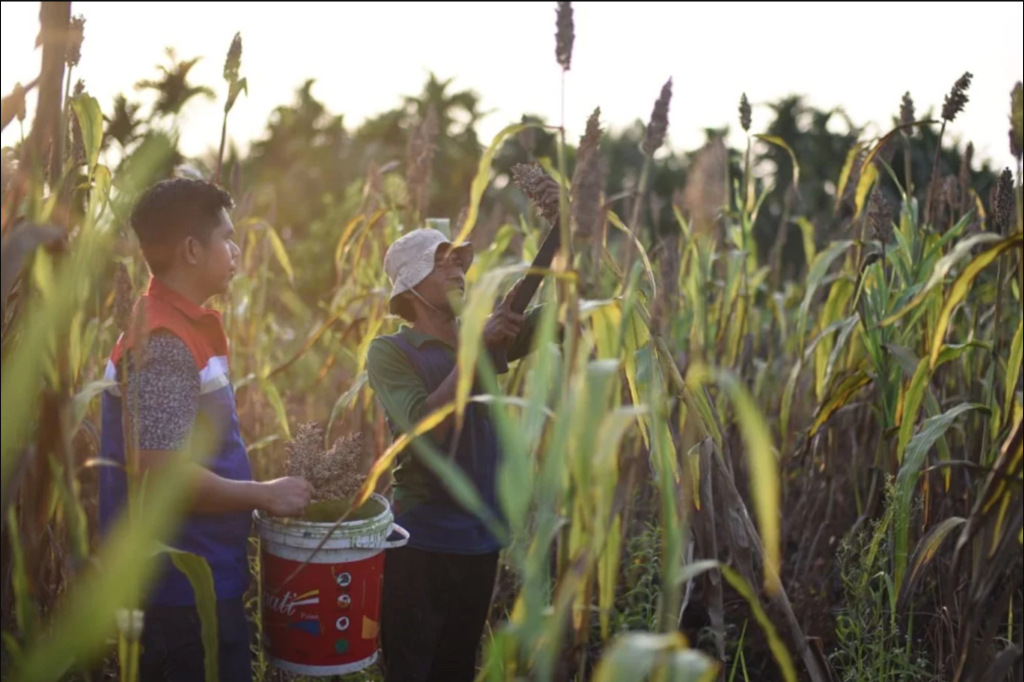
The area in the town of Dumai consists of 80% peatland7 and it has been affected by peat fires and haze. The development of PT KPI’s sorghum program began as a response to the fires. They are committed to support activities that mitigate the fires as well as helping to develop communities that live on peatland. In the program, they collaborated with the Agricultural Technology Assessment Center (BPTP) of Riau to introduce sorghum to the ‘Alam Tani’ farmer group as a possible livelihood. They first tried planting sorghum on one hectare in December 2022 and six months later had their first harvest, of which 20 kg was sold.
The Volunteer Firefighters of Tumbang Nusa
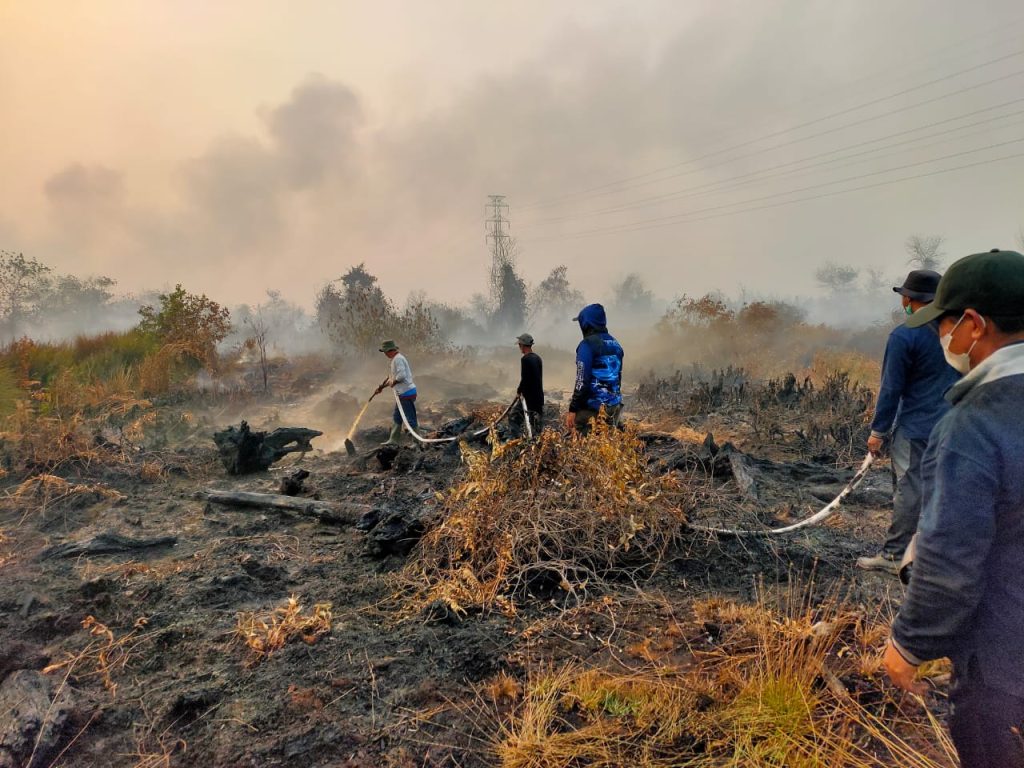
In response to the catastrophic 2015 fire and haze, the Ministry of the Environment and Forestry issued a decree for the creation of a volunteer firefighter group called “Masyarakat Peduli Api” (MPA) in each of the 300 villages in Indonesia that are at risk of fire3. Its purpose is to empower the village communities to be self-reliant in preventing and putting out fires in their respective areas. In 2021, Pak Silpanus became the head of the MPA of Tumbang Nusa. He and the 16 members of the “Perintis” MPA work three months out of the year in the dry season to prevent and extinguish fires in their area.
Riau Ecosystem Restoration Project Takes a Unique Production-Protection Approach to Peatland Restoration
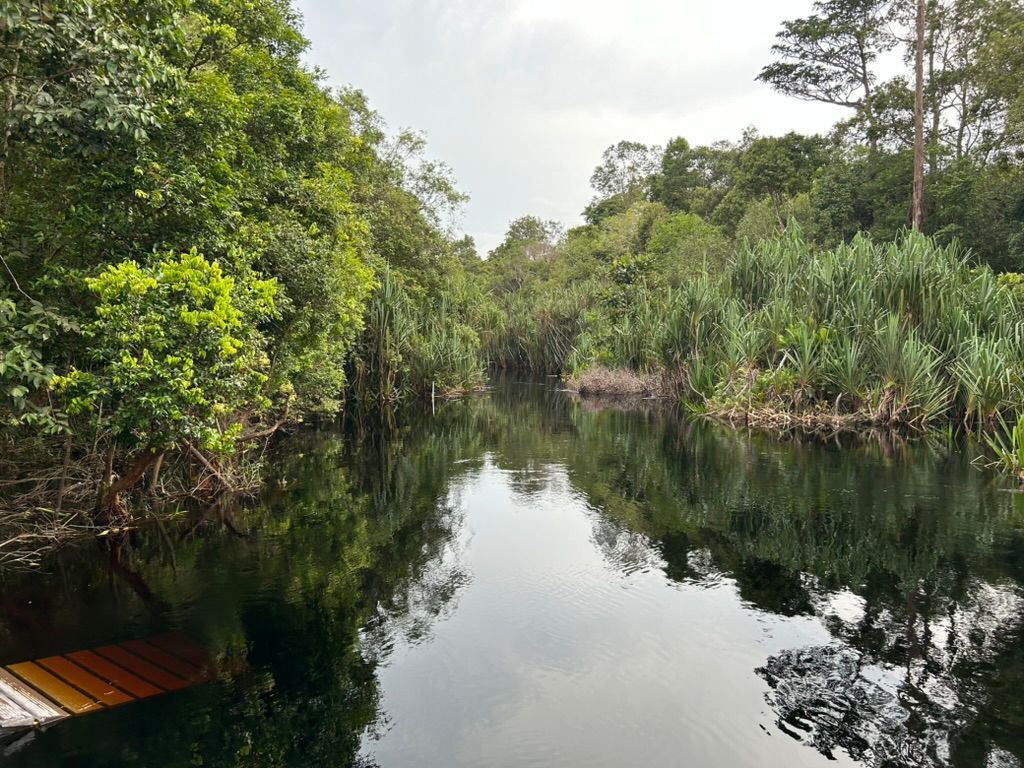
The success of RER is attributed to the fact that APRIL is in charge of the concession area and, being a multinational company, they have an abundance of resources, with a budget of USD 5 million dollars per year. They implement a unique production-protection approach, where the sustainably-managed plantations that lie in the perimeter of the RER financially support the restoration project.
A Farmer for the Future
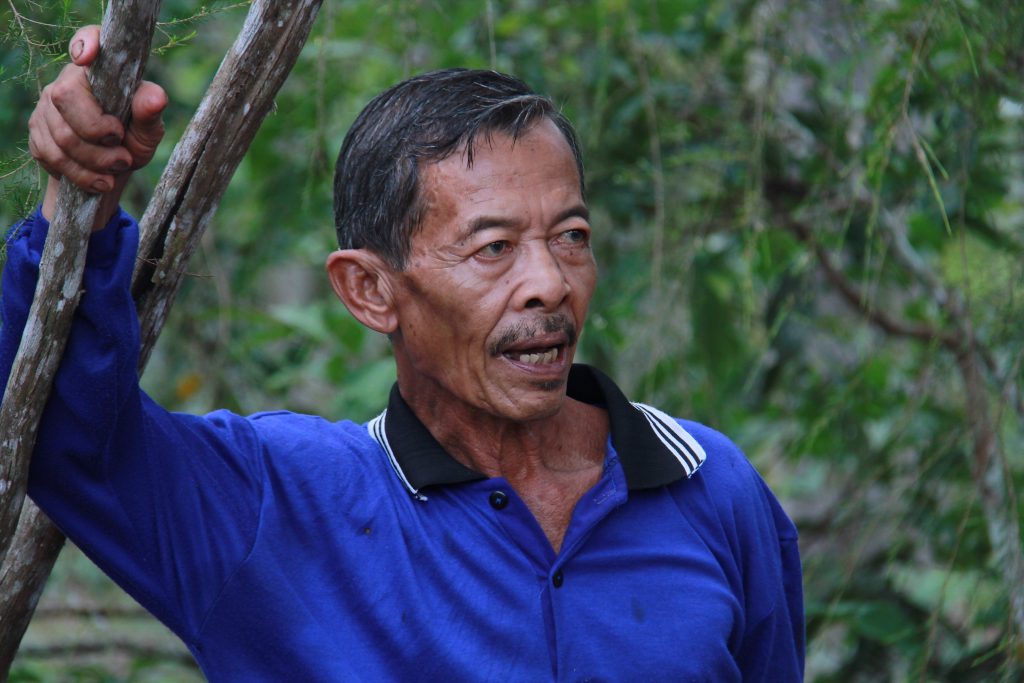
Pak Taman taught himself how to farm on peatland without burning. There isn’t a specific course on it that just anyone can learn. It took dedication and genuine care about the environment and future generations. He taught his farming neighbors about his method, but they did not apply it and continued to use fire to clear their land. Pak Taman mentioned several times to us that the ground on the farmland of his neighbors was lower than his, even up to half a meter.
Too Many Livelihood Programs in Tumbang Nusa
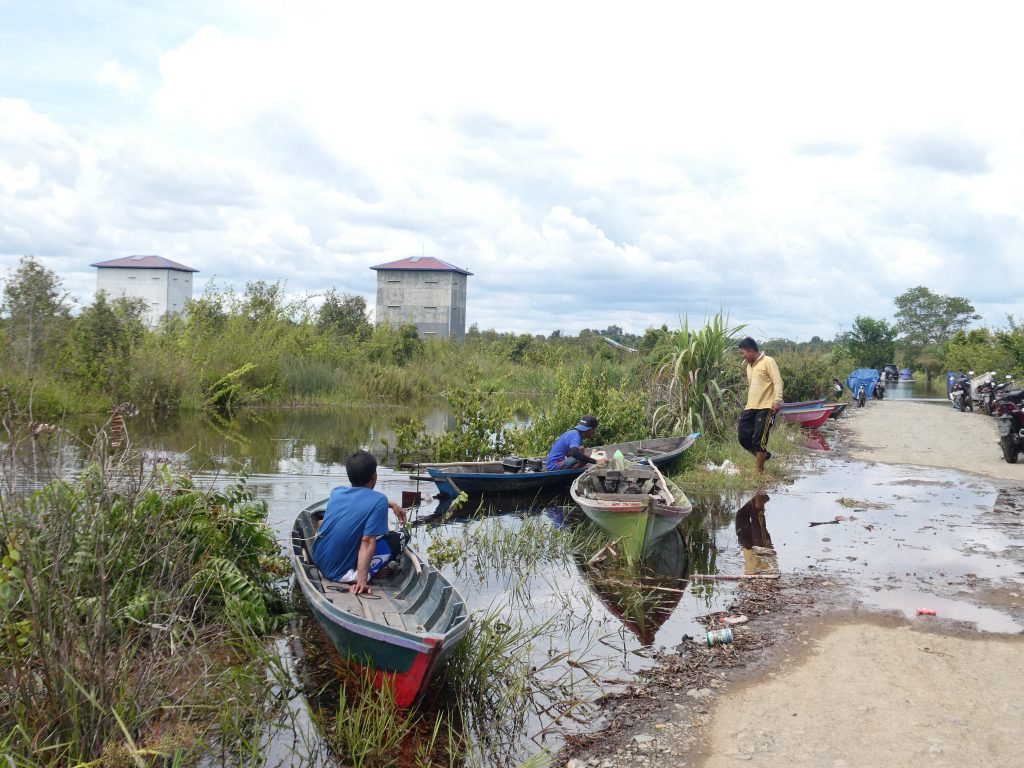
Since 2003, a range of actors have initiated a total of 15 livelihood programs in Tumbang Nusa, and an additional 18 plots have been established to demonstrate peat-friendly livelihood options. Most of these initiatives did not result in substantial practice change on the ground, with only three of the programs considered to be effective. An effective program is one whereby at least some of the elements had been adopted by community members who were not directly involved in the demonstration plots.
IBILAGA: Developing the Fishery Industry in Central Kalimantan
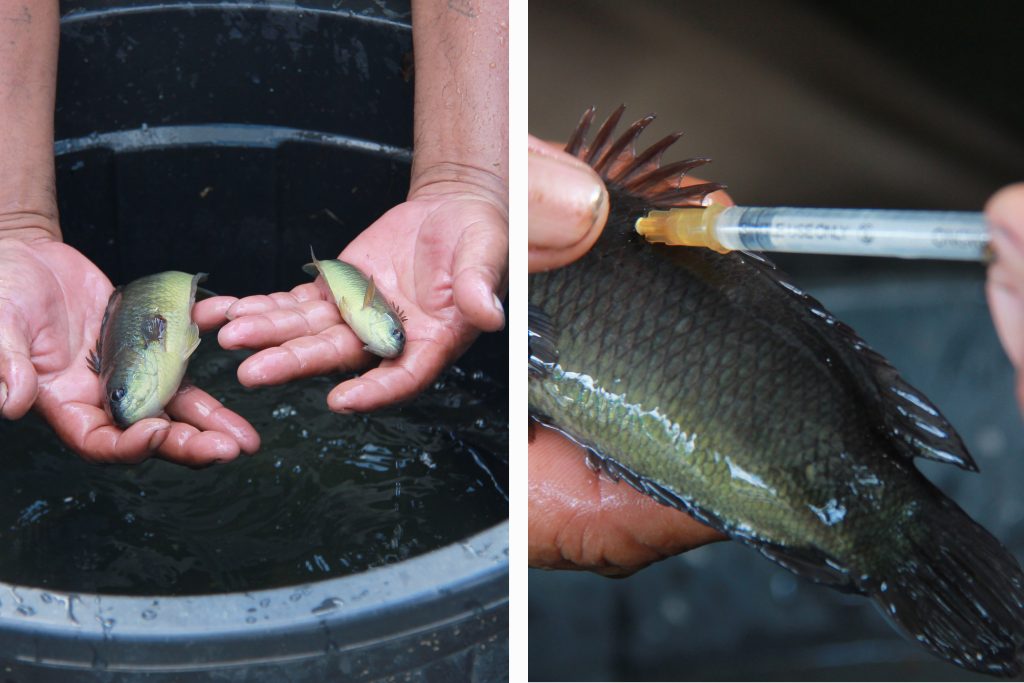
The main focus of this project is to develop the freshwater fish industry in Central Kalimantan. Pak Juliansyah thinks that the industry is lacking, if compared to that of South Kalimantan. He explains that “The people don’t want to raise gabus or papuyu because it takes a long time. So, one of our objectives is to shorten its growing time”, which they did for patin, from seven-eight months to four months. They do this by experimenting with three factors: the feed, the genetic stock and the environment.
Sago Palm: A highly productive crop that thrives on peatland

True sago palm (Metroxylon sago) has a great potential to be a sustainable source of livelihood for communities that live around peatland. The plant is native to the eastern parts of Indonesia, specifically Maluku and Papua, where it is eaten as a staple food1. The palm encompasses 5.5 million ha in Indonesia and 95% of it is in Papua2. Sago palm is very resilient, able to grow in neutral to highly acidic soils, organic and mineral soils and even tolerates highly sulfuric soils.
Saving Peatlands with Eco-straws
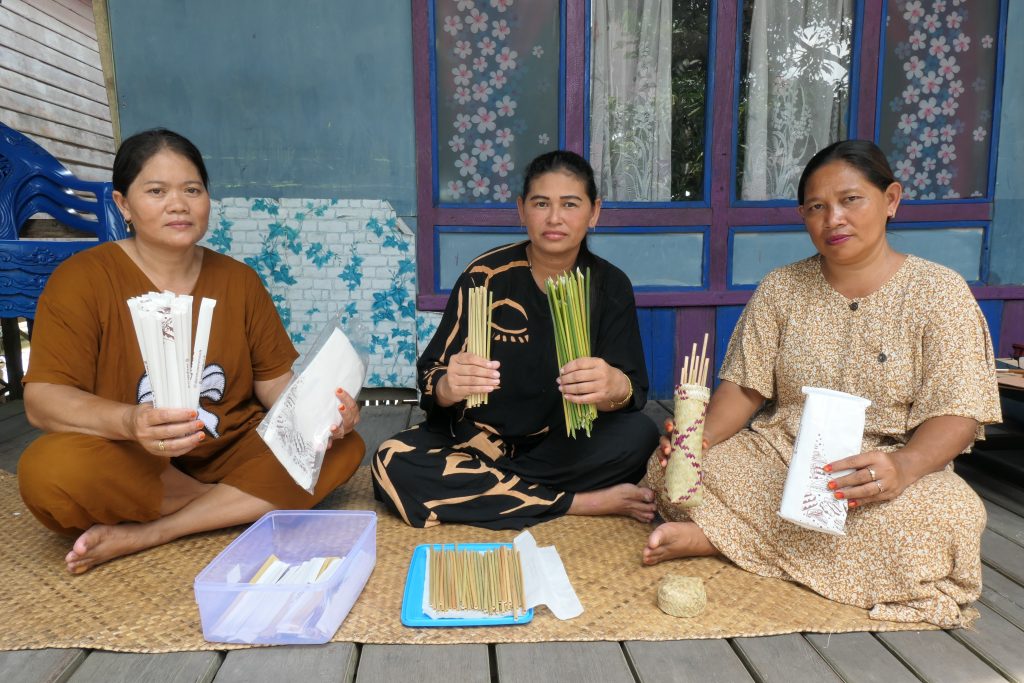
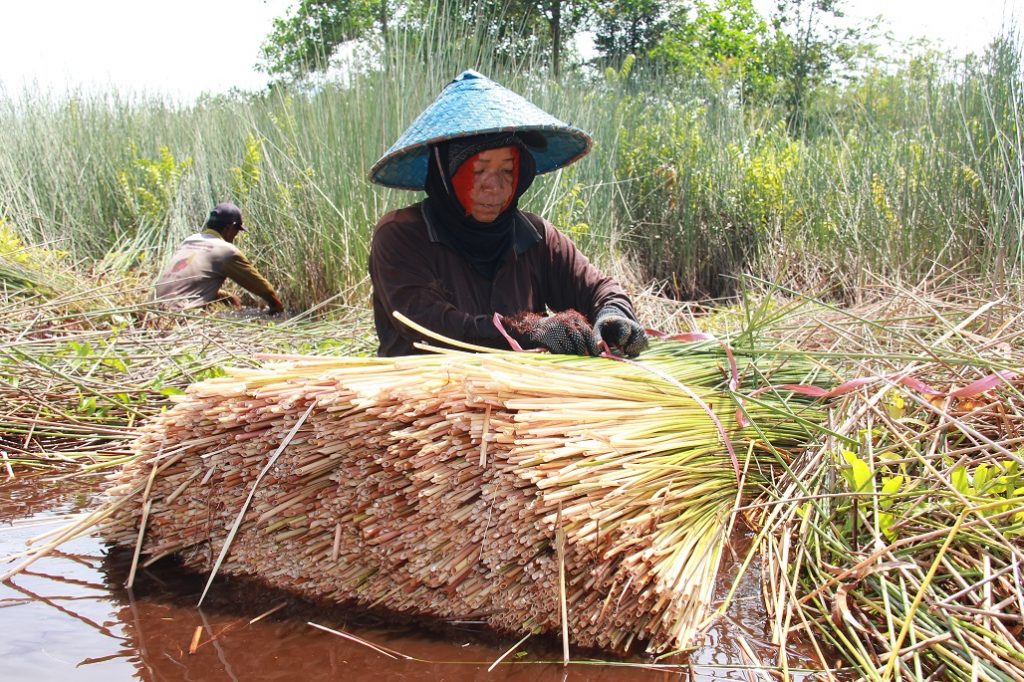
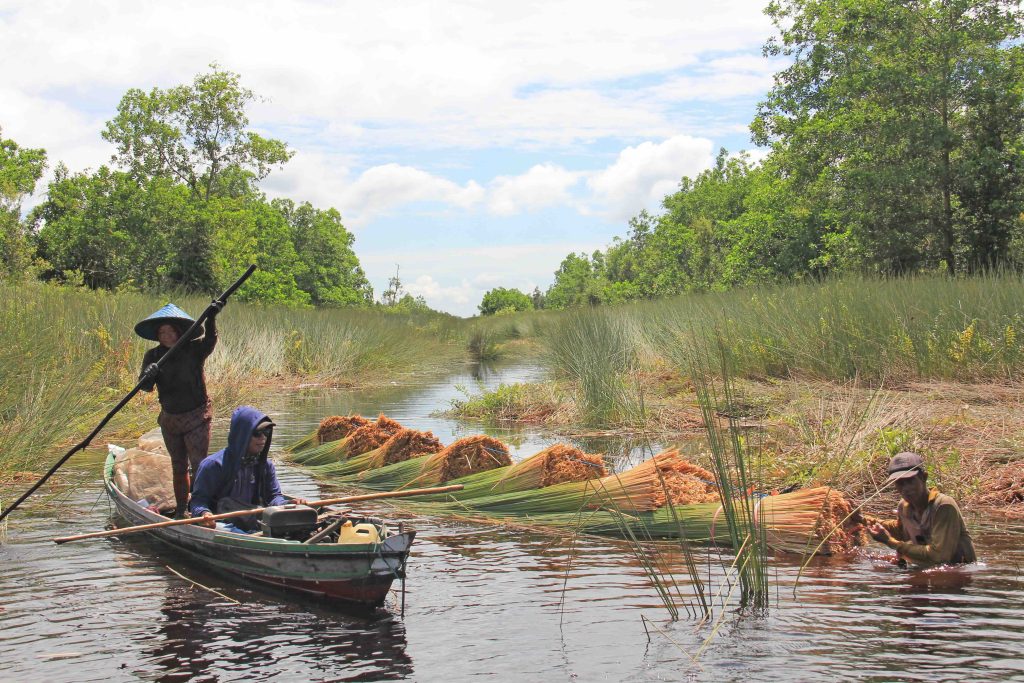
Purun (Lepironia articulata) is a type of sedge that grows in peatland. This plant is used in woven handicrafts such as mats, bags and hats that are characteristic of Central and South Kalimantan. Tumbang Nusa village in Pulang Pisau Regency is known for its purun handicraft, such as the ones made by Indu Muei (article). More recently, another product made from purun was conceived: straws.
Adopting Better Practices of Rubber Tapping

Yayasan Tambuhak Sinta held two training sessions for the smallholder rubber farmers in Pilang. One was about how to deal with pests and disease that attack the trees and the other focused on how to improve the quality of the latex that they produced. PT Kahayan Berseri, the company that buys rubber from the farmers, was involved in the training. This is the first time that the farmers received any formal training for rubber farming. They learned of a better method that would improve the quality of the latex product.